
Doubles Strategy 101: Positioning, Communication & Common Mistakes
Improve your doubles game with this guide to positioning, communication, and common mistakes, plus where to practice at Mangalore’s top badminton academy.
Doubles badminton looks simple until you’re on court with a partner, the shuttle is coming fast, and you’re both reaching for the same shot or worse, leaving a gap neither of you covers. Good doubles isn’t about two strong singles players sharing a court; it’s a completely different skill set built on positioning, timing, and communication. Here’s what intermediate players consistently get wrong, and how to fix it.
Why Doubles Isn’t Just “Singles With a Partner”
In singles, you cover the entire court alone, so movement is about efficiency and recovery. In doubles, the court is shared, which means positioning relative to your partner matters more than individual speed. Most players who transition from singles to doubles struggle here first they either overcrowd the court trying to cover everything, or leave obvious gaps because they haven’t learned to think as a unit.
The Two Core Doubles Formations
1. Side-by-Side (Defensive)
Used mainly when receiving serve or defending against attack. Each player covers one half of the court, front to back. It’s simple to execute but can leave the middle exposed if communication breaks down.
2. Front-and-Back (Attacking)
Used when your side has control of the rally. One player stays near the net to intercept and finish points; the other covers the rear court for clears and smashes. This formation wins more points but requires quick transitions and trust; if the front player doesn’t move fast enough after an attack, the whole formation collapses.
Rule of thumb: Attack in front-and-back, defend in side-by-side, and be ready to switch mid-rally as the situation changes.
Positioning Mistakes That Cost Points
- Both players drifting toward the shuttle — leaving the opposite side of the court completely open
- Standing too central — neither committing to covering the net nor the back court properly
- Slow transitions — staying in defensive formation after winning control of the rally, missing the chance to attack
- Poor court awareness after your own shot — not resetting position immediately after hitting
Fixing these is less about raw skill and more about repetition: playing enough doubles points with a consistent partner until positioning becomes instinctive rather than something you have to think about mid-rally.
Communication: The Most Underrated Skill in Doubles
Elite doubles pairs talk constantly, not just calling “mine” or “yours,” but calling shots before they happen (“smash,” “net,” “rotate”). Silent pairs lose points to confusion far more often than to skill gaps. A few habits worth building:
- Call the shuttle early, not after you’ve both reached for it
- Communicate between points, not just during rallies — quick resets on strategy
- Acknowledge mistakes without blame — doubles breaks down fast when partners get frustrated with each other mid-match
Where to Actually Practice This
Reading about doubles strategy only gets you so far; like most racket sports, it clicks through repetition with a real partner on a real court. This is exactly where structured badminton coaching in Mangalore makes a difference over casual weekend games: proper doubles drills, partner rotation, and a coach who can spot positioning errors you won’t notice yourself.
If you’re searching for a badminton academy in Mangalore to sharpen your doubles game, Golden Shuttle Academy (GSA) runs dedicated doubles-focused sessions alongside its regular coaching programs one of the reasons it’s regarded as a best badminton coaching centre in Mangalore for players moving beyond the basics.
Not Just for Adults
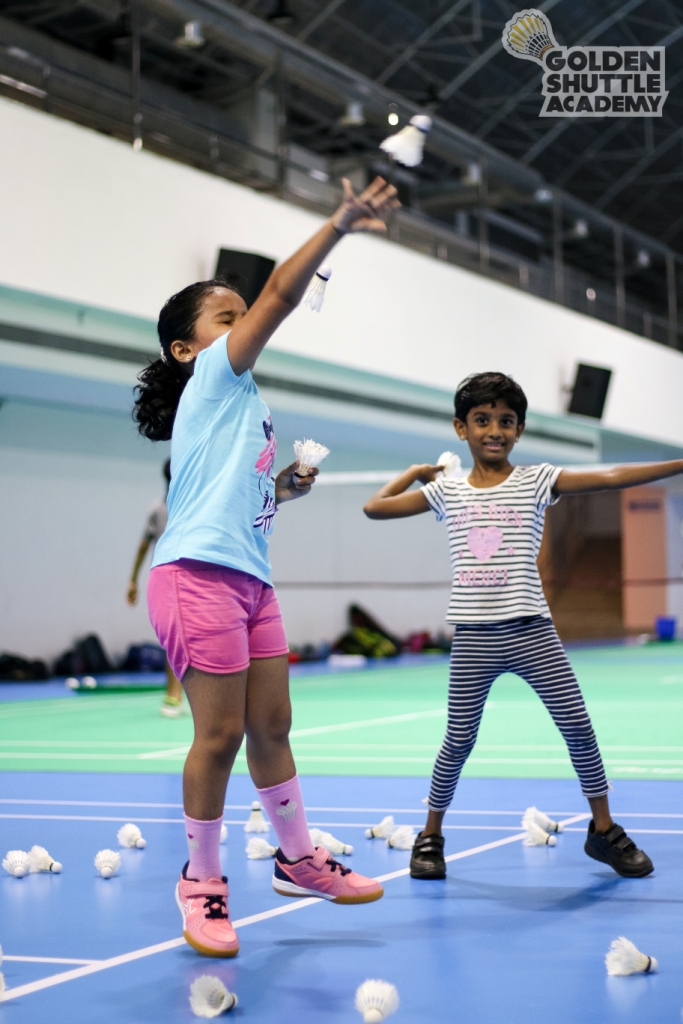
Doubles strategy isn’t only for competitive adult players many academies now introduce doubles concepts early. If you’re exploring badminton classes for kids in Mangalore, ask whether the program includes doubles fundamentals alongside singles, since it builds court awareness and teamwork skills early on. GSA is also considered one of the best badminton training centres for kids in Mangalore, with coaches who structure lessons around both formats.
Flexible Access to Courts
Want to simply book a court and drill these formations with your regular partner? GSA offers flexible badminton court booking and badminton courts for rent in Mangalore, so you’re not limited to structured coaching hours alone. Planning a company doubles tournament? GSA also serves as a reliable corporate badminton tournament venue in Mangalore, with multiple courts available for group bookings.
Ready to Sharpen Your Doubles Game?
Strategy on paper only goes so far real improvement happens on court, with the right partner and the right coaching. Book a session or a court at Golden Shuttle Academy and start applying these doubles fundamentals today. Visit GSA to check timetables and book your slot.
FAQs
- What is the best doubles formation in badminton?
There’s no single “best” formation; side-by-side works well for defense, while front-and-back is stronger for attacking once your side controls the rally. - Why do doubles pairs lose points to confusion?
Poor communication is one of the biggest causes; pairs that don’t call shots early or clearly often collide or leave gaps that opponents exploit. - Should kids learn doubles or singles first?
Many academies introduce both early, since doubles builds court awareness and teamwork alongside the individual skills developed in singles. - Where can I get coaching specifically for doubles in Mangalore?
Golden Shuttle Academy (GSA) offers doubles-focused sessions as part of its coaching programs, in addition to court booking for casual practice. - Can I book a court just to practice doubles with my own partner?
Yes, GSA offers flexible court booking and court rental in Mangalore outside of structured coaching hours for exactly this kind of practice.
 WhatsApp GSA