
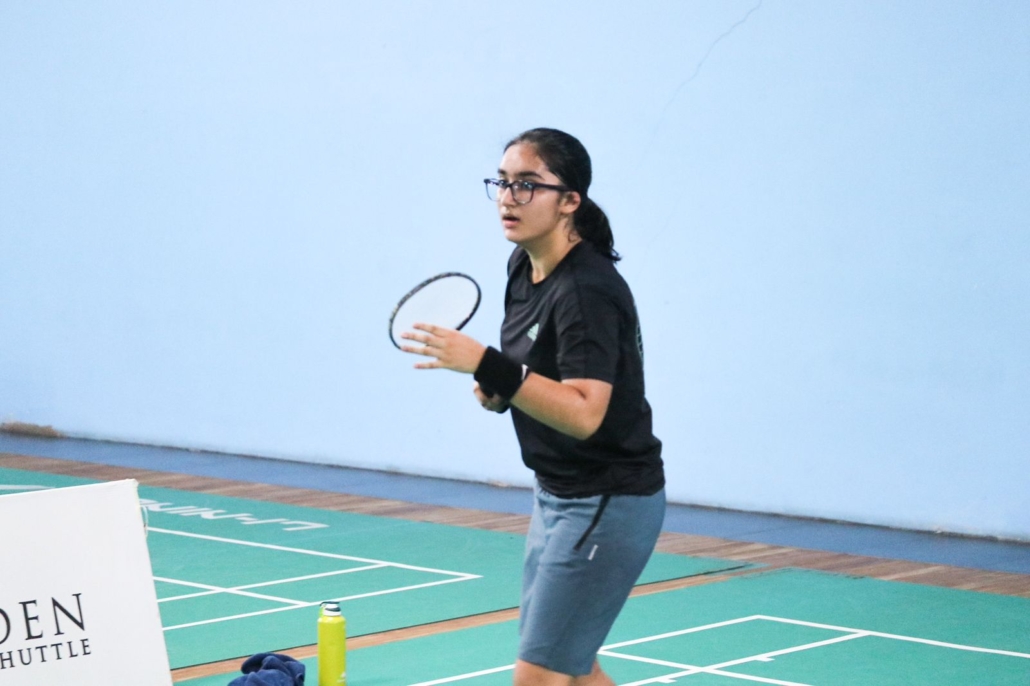
Badminton Footwork Drills for Beginners: 6 Drills That Build Speed and Balance
Learn six badminton footwork drills for beginners, from split step to shadow footwork, plus a simple practice plan to move faster and stay balanced.
Badminton footwork is how you move around the court to reach the shuttle early and hit from a balanced position. Six drills build it fastest: the split step, side shuffles, lunges, the six-point corner drill, shadow footwork, and skipping. Practise them for 10 to 15 minutes, three times a week, and your court movement should improve noticeably within a few weeks.
Why Footwork Matters More Than a Hard Smash
Most beginners focus on arm strength and swing speed. But a badminton rally is mostly movement: short bursts, quick changes of direction, and a reset after every shot. Good footwork gives you more time to read the shuttle, keeps your body balanced for cleaner strokes, and reduces strain on your knees and ankles. Poor footwork forces you to stretch, arrive late, and hit off-balance, which is where most errors begin.
Start with the Ready Position
Every drill below starts and ends here: feet shoulder-width apart, knees slightly bent, weight on the balls of your feet, racket up in front of your chest.
6 Beginner Footwork Drills
- Split step. Take a small hop just as your opponent hits the shuttle, landing on both feet. It loads your legs so you can push off in any direction. Do 20 hops, timing each one to an imagined shot.
- Side shuffles. From the centre of the court, shuffle sideways to the tramline and back without crossing your feet. Keep your knees bent and chest up. Do three rounds of 30 seconds.
- Forward and backward lunges. Push from the centre toward the net with your racket-side foot leading, landing heel-first with your knee over your toes. Push back to the ready position. Practise 10 on each side, then repeat moving backwards in controlled steps.
- Six-point corner drill. Place markers at the two front corners, two mid-court sides and two rear corners. Starting at the centre, move to each marker, tap it with your racket and return to the centre every time. Ask a coach or partner to call the order so you cannot predict it.
- Shadow footwork. Move around the court and mimic strokes without a shuttle: clears, drops, smashes and net shots. Focus on rhythm and returning to base after each one. Do three rounds of two minutes.
- Skipping rope. Skipping builds ankle strength, calf endurance and rhythm. Do three sets of one minute, staying light on your toes.
A Simple Weekly Practice Plan
- Day 1: split step and side shuffles
- Day 2: lunges and the six-point drill
- Day 3: shadow footwork and skipping
Rest or play a relaxed game on the other days.
How to Know Your Footwork Is Improving
You will recover to the centre faster after each shot, reach the shuttle with time to spare and feel less rushed at the net. Your lunges will feel steadier, and you will tire less quickly in long rallies. Ask a coach to watch one rally and point out one habit to fix; small corrections add up quickly.
Common Footwork Mistakes
- Staying flat-footed instead of staying on the balls of your feet
- Crossing your feet during side movement
- Forgetting to return to the centre after each shot
- Standing too upright, with straight knees
Fitness supports all of this, which is why we cover why fitness training matters as much as racket skills and injury prevention for young players. Your court surface also matters, so read our guide to badminton court flooring.
Get Your Footwork Coached at Golden Shuttle Academy
Drills work best when a coach corrects your movement in real time. Golden Shuttle Academy’s structured sessions at Kottara Chowki combine technique with fitness training on six international-standard wooden courts.
Want experienced coaches to fix your footwork? Contact GSA today to find the right batch. More guides are on the GSA blog.
FAQs
How long does it take to improve badminton footwork?
With regular practice, most beginners notice better balance and recovery within three to four weeks. Reliable footwork habits usually take a few months of consistent training.
Can I practise badminton footwork at home?
Yes. Split steps, shadow footwork, lunges, and skipping need only a small clear space. Use non-slip shoes and avoid wet or polished floors.
Is footwork more important than strokes for beginners?
Footwork and strokes develop together, but good footwork comes first in practice. It gets you to the shuttle in balance, which makes every stroke easier to control.
 WhatsApp GSA