
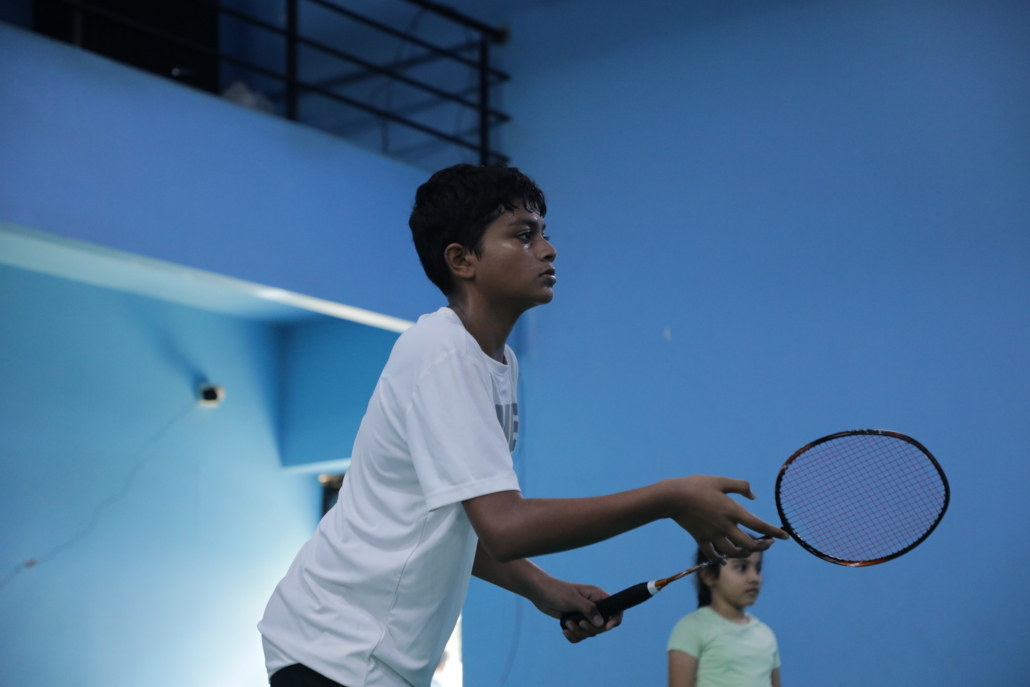
From Weekend Player to Competitive Athlete: A Realistic Progression Path
Thinking of moving beyond weekend badminton games? Here’s a realistic, stage-by-stage progression path from casual player to competitive athlete at Golden Shuttle Academy, Mangalore.
Plenty of players start badminton the same way: a casual weekend game with friends or family, no real technique, just fun. The question is: what happens when “just for fun” turns into “I actually want to get good at this”? At a structured badminton academy in Mangalore like Golden Shuttle Academy (GSA), that jump from casual to competitive isn’t a mystery; it’s a defined path, built stage by stage.
Quick Answer
The realistic progression from weekend player to competitive athlete typically moves through four stages: foundational technique, structured skill development, fitness and match strategy, and tournament exposure. At GSA in Mangalore, this path is supported by certified coaching, age/skill-based batches, and real competitive opportunities like inter-academy tournaments.
Stage 1: Foundational Technique (Weeks 1–8)
Every serious player, no matter their eventual level, starts here. This stage is about correcting the habits casual play tends to build: inconsistent grip, poor footwork, and reactive (rather than controlled) shots.
What this looks like in badminton classes for kids in Mangalore or adult beginner batches at GSA:
- Grip correction and basic strokes (clear, drop, smash fundamentals)
- Footwork drills for court coverage
- Introduction to rules, scoring, and match discipline
This is also the stage where parents evaluating the best badminton training centre for kids in Mangalore should look closely at how coaches handle fundamentals. Rushing this stage creates bad habits that are far harder to fix later.
Stage 2: Structured Skill Development (Months 3–8)
Once fundamentals are solid, training shifts toward consistency and shot variety. Players start playing structured drills instead of open rallies, and coaches begin identifying individual strengths; some players lean toward aggressive net play, others toward baseline power.
At this stage, GSA’s coaching panel works closely with each player on:
- Deceptive shots and shot placement
- Doubles and singles positioning strategy
- Match awareness (reading an opponent’s next move)
This is typically where a player moves from “decent weekend player” to someone who can genuinely compete in a friendly club match.
Stage 3: Fitness and Match Strategy (Months 6–12)
Technique alone doesn’t win competitive matches; conditioning does. Badminton at a serious level demands explosive movement, quick recovery, and mental stamina across long rallies. This is where dedicated fitness coaching at GSA becomes as important as on-court drills:
- Agility and reaction-time training
- Strength and endurance conditioning
- Recovery and injury-prevention routines
Players training seriously at this stage often start using badminton court booking slots outside their regular coaching hours for extra practice, something GSA supports through flexible daily and monthly court access.
Stage 4: Tournament Exposure (Ongoing)
This is the stage that separates a well-trained player from a competitive athlete: actually playing under match pressure. GSA has hosted structured events like its Inter-Academy Tournament, giving students real competitive exposure rather than just simulated drills. The academy has also hosted high-profile visits, including a meet-and-greet with Thomas Cup champion Chirag Shetty, giving students direct exposure to what elite-level dedication looks like.
For organisations exploring a corporate badminton tournament venue in Mangalore, GSA’s courts double as a competitive environment that mirrors what serious junior and adult athletes train for.
How to Know You’re Ready for the Next Stage
A few honest signs you’re ready to move up:
- You can consistently place shots rather than just return them
- You recover position after a shot instead of standing flat-footed
- You’re winning club-level rallies against players who used to beat you easily
- You’re curious about tournaments, not intimidated by them
If none of these feel true yet, that’s completely normal. The point of a structured academy is that you don’t have to guess your own readiness. Coaches assess it stage by stage.
Start Your Progression Today
Whether you’re a parent exploring the best badminton coaching centre in Mangalore for your child, or an adult ready to move past casual weekend games, GSA’s structured coaching system is built to take you from your current level to your next one deliberately, not by accident.
Visit Golden Shuttle Academy to explore coaching batches, or check GSA’s news and updates to see the academy’s tournaments and events in action.
Frequently Asked Questions
Q: How long does it take to go from beginner to competitive badminton player?
It varies by player, but a realistic path typically spans 12+ months, moving through foundational technique, skill development, fitness conditioning, and tournament exposure.
Q: Does GSA offer coaching for both kids and adults?
Yes, GSA offers structured, age and skill-appropriate coaching batches for kids and adults, from beginner to competitive levels.
Q: Can I rent a badminton court in Mangalore without joining a coaching program?
Yes, GSA offers badminton courts for rent in Mangalore on a daily or monthly basis, separate from formal coaching enrollment.
Q: Does GSA host tournaments or competitive events?
Yes, GSA has hosted events like its Inter-Academy Tournament and welcomed champions such as Chirag Shetty, giving students real competitive exposure.
Q: Is GSA suitable as a corporate badminton tournament venue in Mangalore?
Yes, GSA’s international-standard courts at Kottara Chowki support corporate and private tournament bookings.
Q: What’s the first step to enrolling my child in badminton classes in Mangalore?
Reach out to GSA directly to check current batch timings, age groupings, and enrollment details for your child’s level.
 WhatsApp GSA